You open two product pages for the same kind of item, see nearly identical star ratings, and still have no idea which one belongs in your home. The useful comparison usually starts below the rating: intended use, dimensions, materials, compatibility, and what comes in the box.
Begin With Your Actual Use
Write down the job you need the product to do before comparing features. A desk lamp for occasional reading has different priorities from one used for detailed work every day; brightness controls, reach, and how it sits on your desk may matter more than a long feature list.
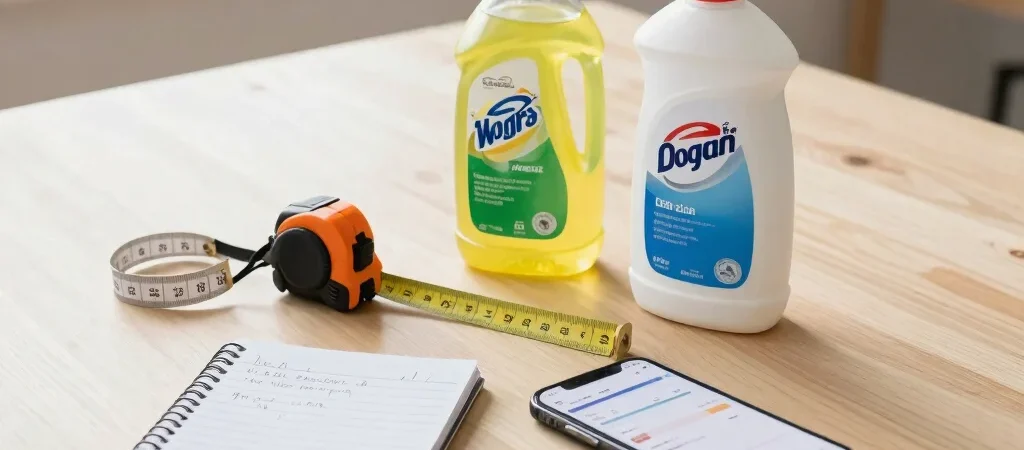
Then check the practical constraints that could rule an option out. Measure the space, confirm the product’s dimensions, and look for compatibility details such as connection type or supported device size when those apply.
Read the Details Side by Side
Compare like with like: listed dimensions against dimensions, included accessories against included accessories, and stated materials against materials. If a detail is missing from one listing, treat that as unknown rather than assuming the products match.
Reviews can help identify questions worth checking, but a rating alone cannot tell you whether an item fits your needs. Our recommendations explain the reasoning behind a selection, and product details should still be confirmed on the Amazon listing before you decide. Some links may earn i Help a commission, at no additional cost to you.